An atlas of domestication
Wild
Type
The food on your plate was bred into shape. This is where it came from, how it traveled, and what people made of it.
The atlas so far
4 crops
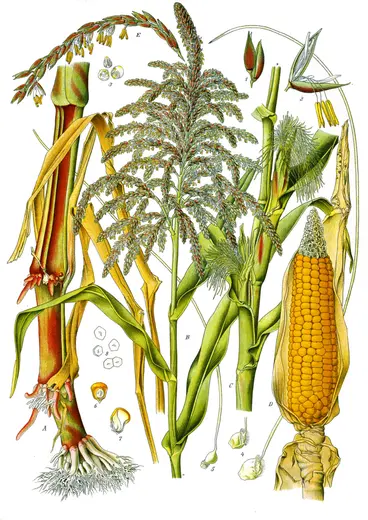
Nº 01 · Balsas valley, Mexico
Maize
Zea mays subsp. mays
A wild grass with a dozen stone-hard seeds, rebuilt by Indigenous farmers into the most-grown cereal on Earth.
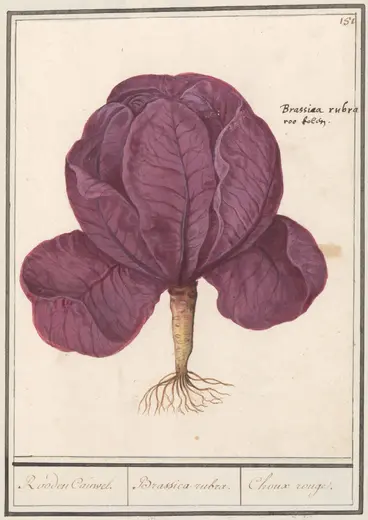
Nº 02 · The Aegean (disputed)
Cabbage and kin
Brassica oleracea
One plant of the sea cliffs, bred in different directions into kale, cabbage, kohlrabi, broccoli, cauliflower and Brussels sprouts.
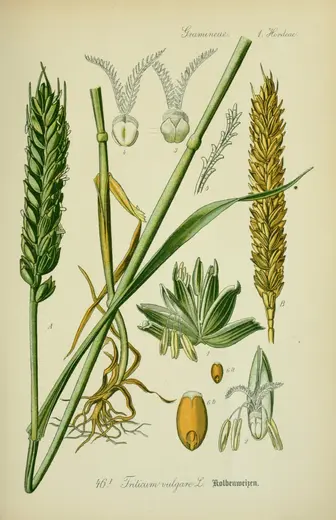
Nº 03 · The northern Fertile Crescent
Wheat
Triticum
Three wild grasses, joined by two chance crosses, the second of them in a farmer's field. No bread wheat has ever grown wild.
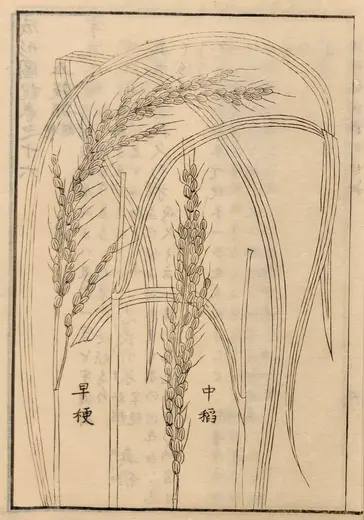
Nº 04 · The lower Yangtze · The Ganges plain · The inland Niger delta
Rice
Oryza sativa and Oryza glaberrima
Two wild marsh grasses, tamed on two continents. In China the taming took thousands of years.
What this atlas is for
From wild plant to dinner plate
- Start with the wild plant.
Each crop begins with its wild ancestor: what it looked like, where it grew, and how people first came to gather and sow it.
- Follow it around the world.
The globe traces where each crop was first grown and how it spread, from the earliest finds to the farms that grow it today.
- Watch it change shape.
The timeline and the 3D forms show how a seed head, an ear or a cabbage changed as farmers kept and sowed the plants they wanted.